Health
First cure for type 1 diabetes with stem cells
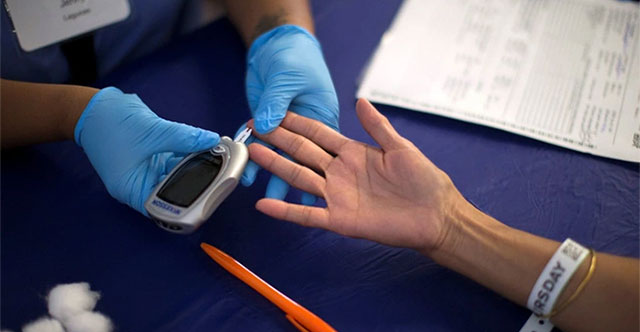
Less than 3 months after being treated for type 1 diabetes with stem cells, the patient's body began to produce insulin on its own.
Browse ScienceInfo articles and explainers related to Stem Cell.
281 published items.
Less than 3 months after being treated for type 1 diabetes with stem cells, the patient's body began to produce insulin on its own.
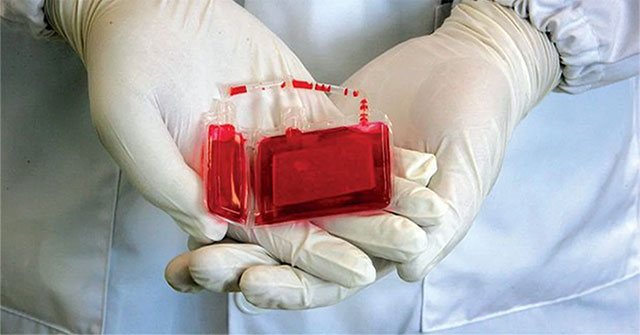
Nowadays, 'taking umbilical cord blood' and 'storing umbilical cord blood stem cells' are no longer strange concepts.

The idea of creating drugs to support stroke treatment using secretions from stem cells won the Stem Cell Innovation Award with a reward of 20 million VND, awarded o…
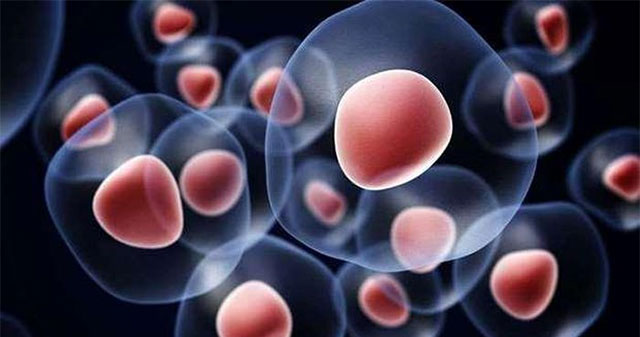
Chinese scientists have transformed human somatic cells back into pluripotent stem cells using chemical molecules.
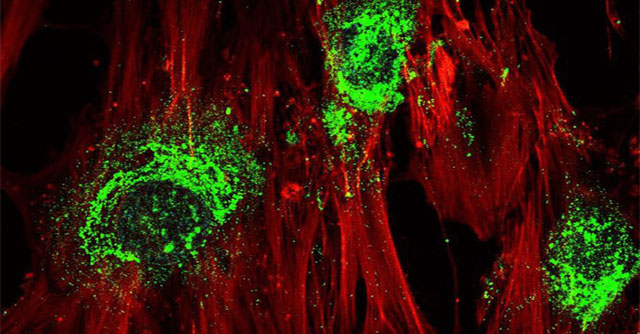
The researchers used high-frequency sound waves to turn stem cells into bone cells.
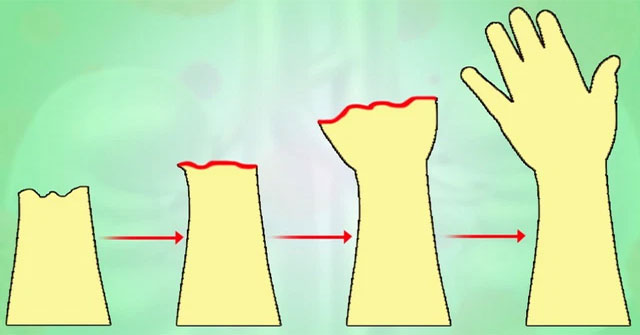
Stem cells are cells with superpowers that can turn into any other cell in the body. This is the same type of cell that some animals use to regrow their lost limbs.
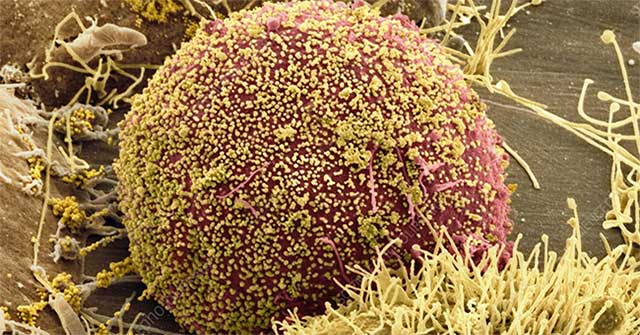
The human immunodeficiency virus (HIV) in the body of a woman in the US declined after she received a stem cell transplant from a relative and umbilical cord blood from…

VX-880 stem cell therapy is the result of more than 30 years of searching for a diabetes treatment by Doug Melton, a biologist at Harvard University.
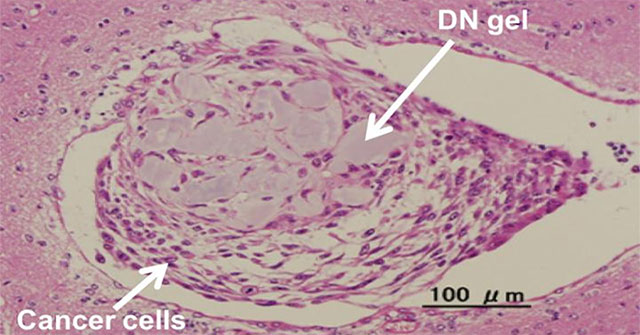
Scientists at Hokkaido University, Japan have developed a hydrogel capable of turning cancer cells back into cancer stem cells in 24 hours.

In a new study published in the journal Nature, the researchers said they could grow multi-layered skin tissue capable of growing hair, hair, sebum secretion and touch.
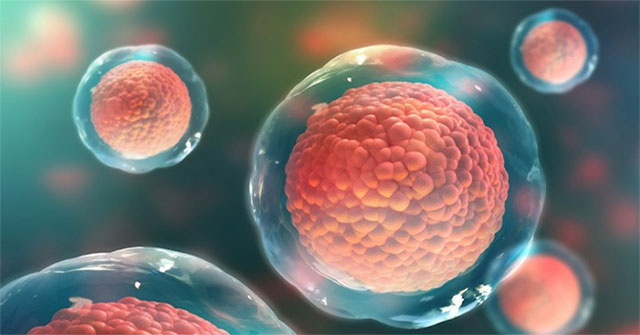
Scientists have been trying to find the answer to this question for a long time. The good news is that after years of research, we now have some idea of the mechanism…
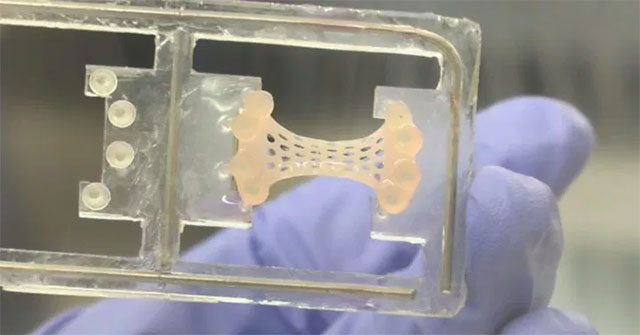
The patch contains millions of living cells that are transplanted into a patient's heart to replace lost heart muscle and restore damage from a heart attack.
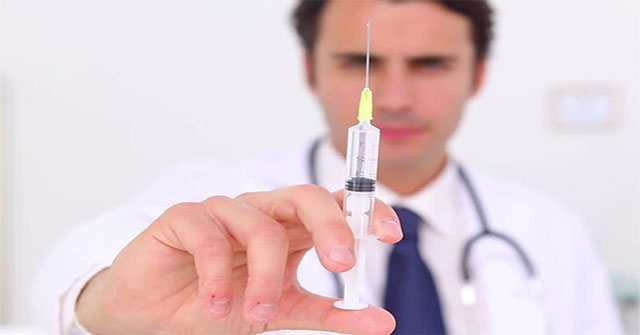
US researchers reversed the damage caused by myocardial infarction by injecting patients with seemingly discarded cells.
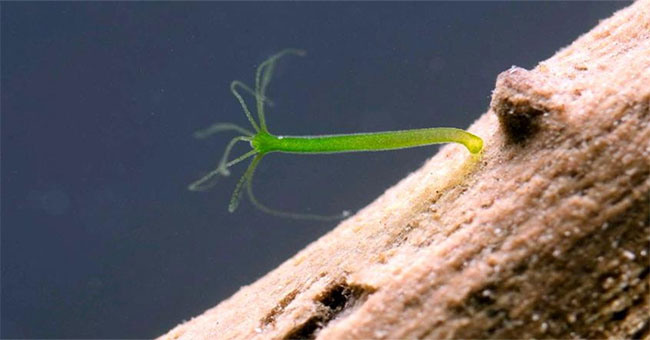
Most creatures gradually age and die. But we have more fortunate creatures: It seems they know how to escape the fateful cycle.
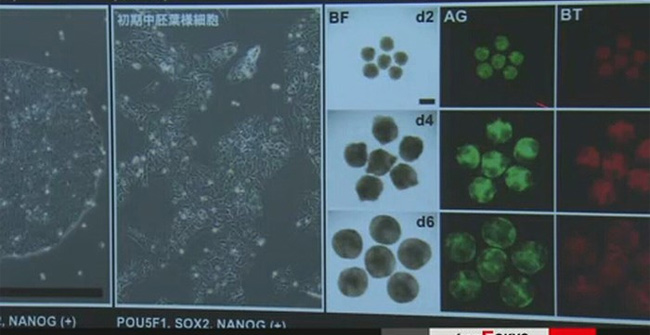
For the first time in the world, a group of Japanese researchers have used human multi-functional stem cells (iPS) to create immature reproductive cells, which can devel…